Licensed & insured Phoenix electrical contractor  ·  Arizona ROC 361086 24/7 emergency service  ·  (480) 828-1181
Home › Blog › Recessed Lighting Installation in Phoenix:…

Lighting · October 26, 2026

Recessed Lighting Installation in Phoenix: Canless LEDs, Attics and Layout

Recessed lights are the most common lighting upgrade we're asked about, and the easiest one to get wrong. Here's what matters in a Valley home, from the hot attic above the ceiling to the dimmer on the wall.
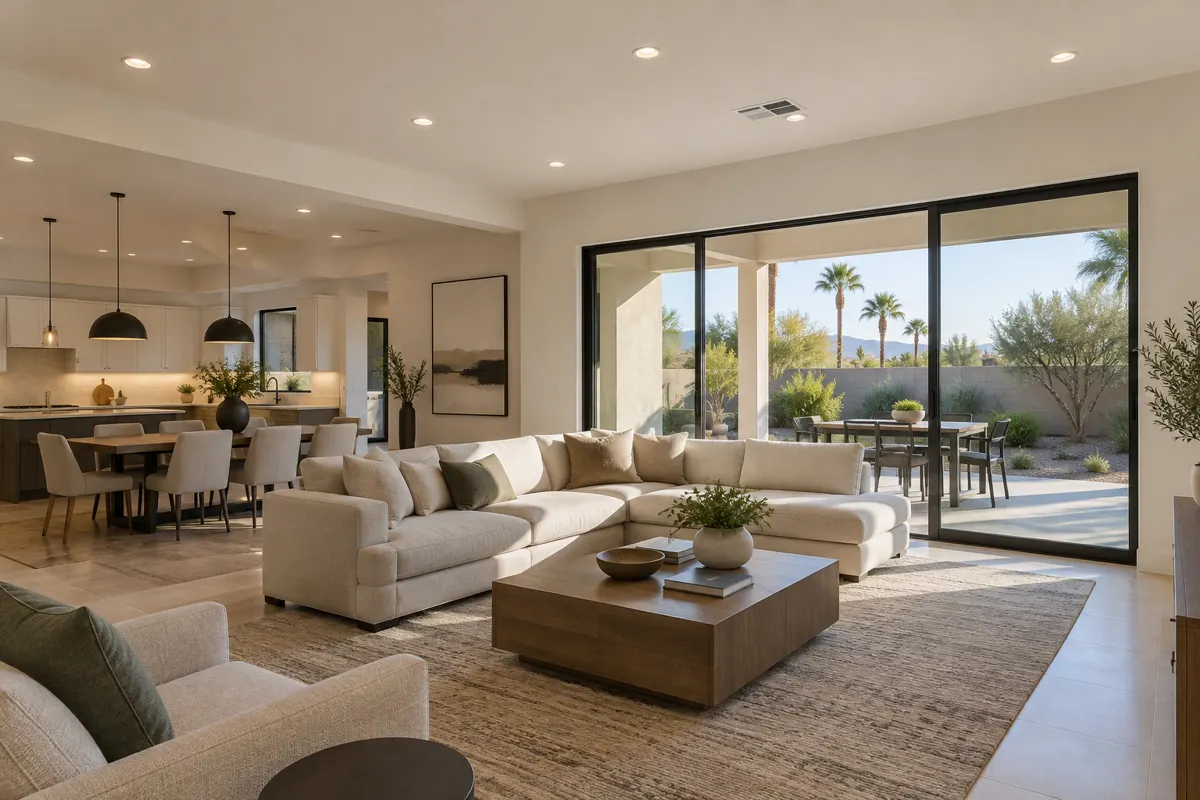
Recessed lighting installation in a Phoenix-area home: slim canless LED downlights in a white living room and kitchen ceiling, with a covered patio, palm trees and desert landscaping outside

Recessed lighting installation in Phoenix usually starts the same way: a living room or kitchen with one dim fixture in the middle of the ceiling, or a row of old yellowed cans that run hot and eat bulbs. Modern LED downlights fix both problems, and in most homes they go in without tearing up the ceiling. But the product you pick, where the lights go and what's sitting above the drywall all decide whether you end up with an even, glare-free room or a ceiling that looks like a runway and flickers when you dim it.

Canless LED vs. traditional recessed cans

There are two main ways to do recessed lighting today:

  • Canless (wafer) LED downlights. A thin LED fixture that clips into a round hole in the drywall, with a small remote junction box or driver that sits beside it in the ceiling. They're shallow, so they work where joists, ducts or a low-slope roof leave little room above the ceiling. For most retrofits in finished ceilings, this is what we install.
  • Housings (cans) with LED trims. A metal housing mounted in the ceiling, with a separate LED trim or retrofit module. Housings make sense when you want to swap trims later, need a specific beam or adjustable gimbal, or are building new.
  • LED retrofit trims for existing cans. If you already have cans in good condition, an LED retrofit kit that screws into the old socket and clips into the housing is often the simplest upgrade. If the old cans are scorched, loose or not rated for contact with insulation, replacing them is the better call.

Phoenix attics: why IC and airtight ratings matter

In most single-story Valley homes, the ceiling you're cutting into sits directly under the attic, and an Arizona attic in July is one of the hottest places in the house. Two labels on the fixture matter here:

  • IC-rated means the fixture is rated for direct contact with insulation. Many Valley attics have blown-in insulation that will end up on top of the light, so we use IC-rated fixtures in any ceiling below an attic. A non-IC can buried in insulation can overheat.
  • Airtight (often marked "AT" or ICAT) means the fixture limits air leaking between the room and the attic. Old cans can act like small chimneys, pulling cooled air into the attic and letting hot attic air and dust back down. Sealing that up matters when you're paying to cool the house most of the year.

Heat is also the enemy of LED drivers. A quality fixture from a reputable maker, installed with its junction box where it belongs, holds up far better than the cheapest multi-pack. ENERGY STAR certifies light fixtures and explains what certification covers, which is a reasonable filter when you're comparing options.

Recessed lighting checklist

What to settle before the first hole is cut.

✓
IC-rated
Safe in contact with attic insulation. Use it under any attic.
✓
Airtight (AT)
Stops cooled air leaking into the attic around each light.
✓
Color temperature
Pick one for the whole room. Warm white reads softer in living spaces.
✓
Dimmer match
Use a dimmer the fixture maker lists as compatible to avoid flicker and buzz.
✓
Layout plan
Light the walls and work areas, not just the middle of the floor.
✓
Switching
Separate zones so one switch doesn't run the whole room.
✓
Circuit check
Confirm the circuit's condition, especially in older homes.

B and D Electric LLC · banddelectricaz.com

Layout: where recessed lights should go

The most common mistake we see is a grid of lights marching down the middle of the room. The floor gets lit and the walls stay dark, so the room still feels dim. Better layouts follow how you use the space:

  • Light the edges. Lights set in from the walls wash the walls and art and make the room feel bigger. Keep them far enough off the wall that you don't get harsh scallops.
  • Put light where work happens. Over counters, sinks, desks and reading chairs, not behind you where your head casts a shadow.
  • Mind the ceiling fan and the TV. A light directly above a fan blade strobes. A light shining straight onto a TV screen glares.
  • Plan around what's in the ceiling. Joists, ducts, return-air boxes and plumbing vents decide where a light can actually go. We check before we mark the ceiling.
  • Size and trim. Smaller apertures look cleaner in standard ceilings; deeper, baffled trims cut glare in vaulted rooms.

Recessed lights are usually one layer of a room's lighting, not all of it. In kitchens, under-cabinet and pendant lights do the detailed work. Our kitchen remodel electrical post covers that layering.

Dimmers, color temperature and flicker

Almost every complaint about LED recessed lights comes back to two things. First, the dimmer: old incandescent dimmers and LED drivers often don't get along, which causes flicker, buzzing, lights that won't dim all the way down, or lights that stay faintly on. The fix is a dimmer the fixture manufacturer lists as compatible. Second, color: mixing a cool-white light next to a warm-white one looks wrong immediately. Many canless fixtures now have a small switch to choose the color temperature, so we set every light in a room the same way before they go up.

Older homes: check the wiring first

Adding lights means connecting to an existing circuit, and that circuit is only as good as the wiring behind it. In 1960s and 70s Valley homes, look out for:

  • Aluminum branch wiring. It can be extended safely only with connectors rated for aluminum. See our post on aluminum wiring in older Phoenix homes.
  • Popcorn or textured ceilings. In older homes, have the texture tested for asbestos before anyone cuts into it.
  • Overloaded or shared circuits. LEDs draw very little, so lighting rarely overloads a circuit on its own, but a lighting circuit shared with outlets that already trips needs to be sorted out first.
  • Low-slope roofs with tight attics. Common on older ranch homes. Canless fixtures are often the only practical option there.

Recessed lighting in Chandler

A lot of Chandler homes were built from the 1980s through the 2000s with builder-basic lighting: a fan in each bedroom, a fixture in the dining room and very little in the great room. Those are ideal canless retrofits. Ceilings are usually drywall under an accessible attic with blown-in insulation, so IC and airtight fixtures are a must. Adding new circuits or doing a larger remodel may call for a permit; the City of Chandler's building safety and permits page explains the process, and we'll tell you before work starts whether your job needs one.

Should you DIY recessed lights?

Swapping an LED trim into an existing can is a homeowner-level task. Cutting new holes, fishing wire through an attic in Phoenix heat, adding switches and tying into existing circuits is electrical work, and mistakes in an attic tend to stay hidden until they cause a problem. If you're also opening walls for a remodel, our electrical remodels page covers how we handle the rest of the wiring at the same time.

Get your recessed lighting planned and installed

Tell us which rooms you want to light and send a photo of the ceiling, and we'll suggest a layout, fixtures and switching that fit the house. Our lighting installation page covers the rest of what we do. B and D Electric LLC is licensed and bonded, Arizona ROC 361086, and our two owners have more than 40 years of combined experience. Call or text (480) 828-1181, or request an estimate.

B and D Electric LLC
Written by Daniel Grayson and Billy Marks, owners of B and D Electric LLC — licensed Phoenix electrical contractor, Arizona ROC 361086. Questions about your own house? Call (480) 828-1181 — we'll give you a straight answer whether or not it turns into work for us.

More advice

Need an electrician in Phoenix?

Tell us what's going on and we'll give you a straight answer and a free written estimate. No pressure, no upsell.

Call (480) 828-1181 Text us Free quote