HomeGalleryFAQAdvice
Contact
Permits and inspections · November 1, 2026
"Do I need an electrical permit for this?" is one of the first questions Phoenix homeowners ask us, usually right after "how much?" The honest answer is that a lot of electrical work does need a permit, some small jobs don't, and the rules vary a little from city to city across the Valley. Here's how to tell the difference, who should pull the permit, and what the inspections actually involve, so you don't end up with work that causes trouble later.
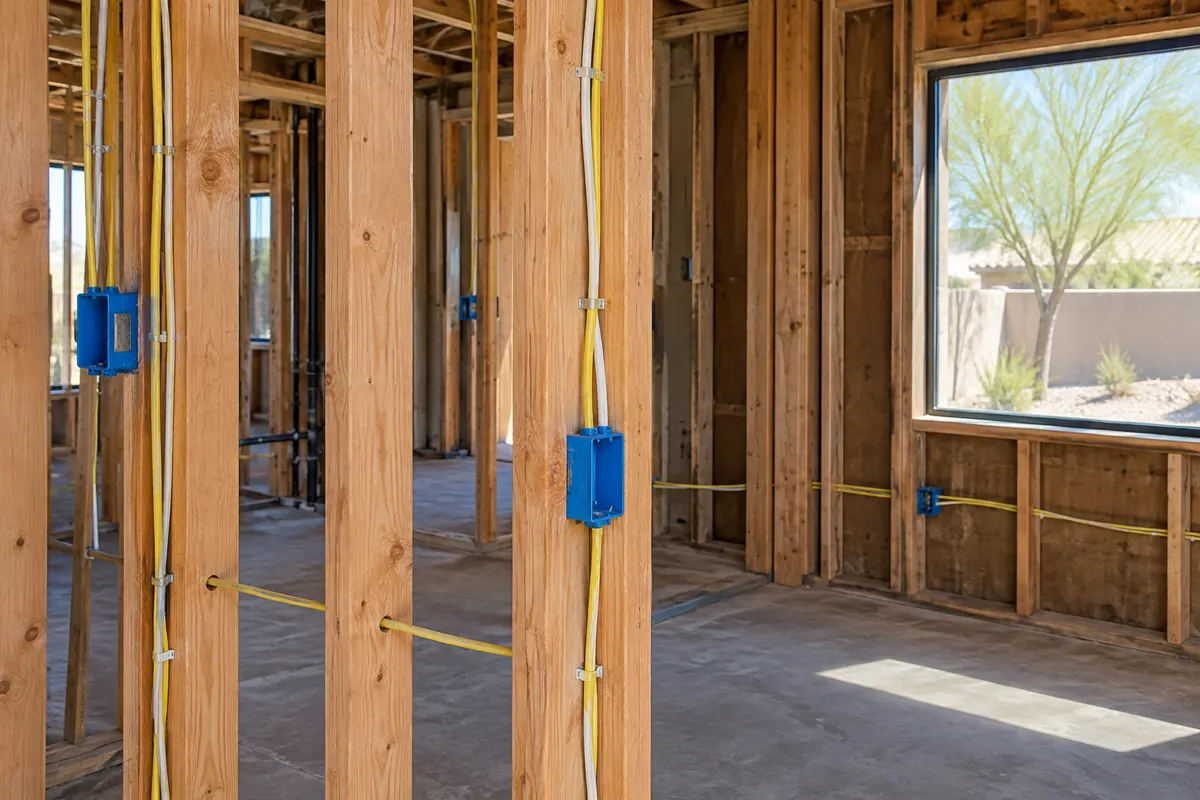
For most real electrical work, yes. The City of Phoenix's residential building permit guide lists "adding or relocating electrical circuits" among the remodeling projects that may require a permit, along with adding or relocating air conditioners, removing or relocating walls, and installing a water heater if it isn't installed by a licensed contractor. Room additions, garage conversions, porch enclosures, detached structures over 200 square feet, and pools and spas all need permits, and nearly all of those involve electrical work.
The same guide lists a few things that don't need a permit, and one is electrical: installing low-voltage landscape accent lighting. Repairing or replacing an existing AC unit without changing its size, capacity or location is also on the no-permit list. Everything in between is where people get confused, so here's how we think about it.
Swapping a worn outlet, a switch or a light fixture for a similar one on the same circuit usually isn't treated like adding a circuit. Low-voltage landscape lighting is specifically exempt in Phoenix. But "small" can turn into "permitted" fast: adding a new outlet that needs a new run of wire, putting a ceiling fan where there was never a fan-rated box, or replacing a panel because a breaker is bad. When the job adds, moves or extends wiring, plan on a permit.
A quick gut check for Phoenix-area homeowners. Your city has the final word.
B and D Electric LLC · banddelectricaz.com
When you hire a contractor, the contractor should pull the permit under their own license. Phoenix permits list the licensed contractor's information and license number, so the permit ties the work to the people responsible for it. That matters if something fails inspection or goes wrong later.
Be careful if a contractor asks you to pull the permit yourself as the homeowner for work they're doing. It's one of the red flags in our guide to vetting a Phoenix electrician. It can mean the person isn't licensed for the work, and it puts the responsibility for the job on you. You can check any Arizona contractor's license with the Arizona Registrar of Contractors before you sign.
The steps are similar across the Valley. The contractor applies for the permit; in Phoenix, residential single-family permits now go through the city's SHAPE PHX online portal. Larger jobs like additions need plans reviewed first. Once the permit is issued, it gets posted at the job site.
If an inspection fails, the contractor corrects the items and calls for a re-inspection before moving on. That's normal and it's the system working. If it happened on your job, our post on why an electrical inspection fails covers the common reasons and what to expect.
The pitch for skipping a permit is always saving time and money. The catch shows up later. The City of Phoenix says permits exist to protect you and your neighbors from work that doesn't meet minimum construction standards, and to minimize problems during a future sale of your property. In practice, unpermitted electrical work tends to surface at the worst time: during a buyer's home inspection, when an addition or casita doesn't match city records, or when someone has to open a wall to find out what's behind it. Fixing it then can mean opening finished walls so it can be inspected.
A permit also means a second set of eyes. The inspector isn't working for the contractor, so the inspection is an independent check that the work is safe. On a panel or service job, that check covers the parts of your electrical system that matter most.
In Phoenix, the residential permit guide above is the place to start. Scottsdale is more direct about it: the city's permit services page says an electrical permit is required to install, alter or repair wiring, and a remodel that moves walls needs a permit. In Chandler, inspection requests made before midnight are scheduled for the next day, and the city adopted the 2023 National Electrical Code for plans submitted on or after July 1, 2025. Other cities have their own versions, which is one more reason to hire someone who pulls permits across the Valley every week.
Permit fees are a normal part of the job. On panel work, our written estimates include them; our panel upgrade cost guide explains what goes into the total. For remodels, see our electrical remodel page.
Tell us what you want to do and we'll tell you whether it needs a permit in your city. When it does, we pull it under our license and meet the inspector. B and D Electric LLC is licensed and bonded, Arizona ROC 361086, and our two owners have more than 40 years of combined experience. Call or text (480) 828-1181, or request an estimate.

Tell us what's going on and we'll give you a straight answer and a free written estimate. No pressure, no upsell.